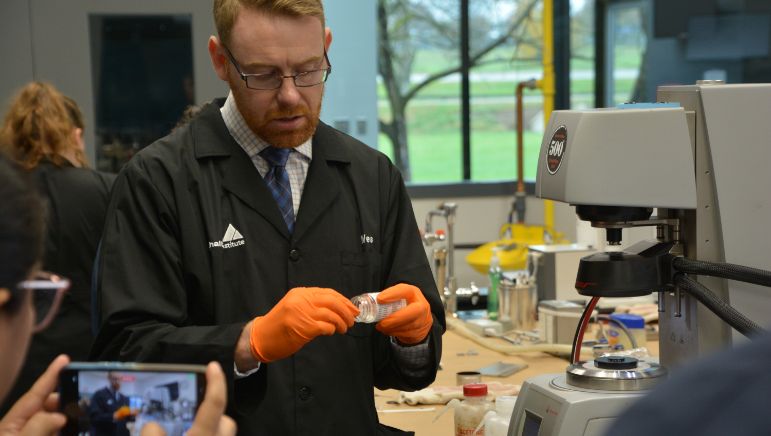
Health, Safety, and Environmental Stewardship

Asphalt Institute promotes petroleum asphalt as a safe and environmentally responsible material for paving and roofing applications. Through scientific research, technological development, and collaboration, our HSE program helps protect workers, the public, and the environment. The member-driven HSE Committee also works closely with Eurobitume, the European association of bitumen producers, to address global health and safety priorities.

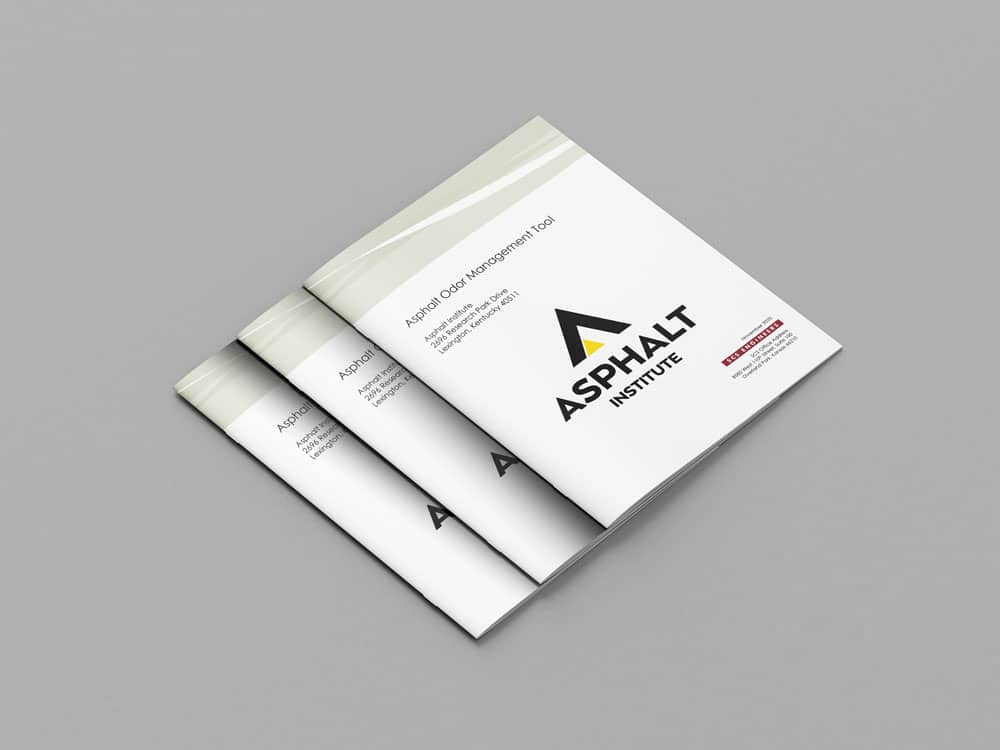
Asphalt Odor Management Tool

The Asphalt Institute’s new Asphalt Odor Management Tool offers a comprehensive, science-based resource designed to help facilities better understand, evaluate, and control odors from stationary asphalt operations. This user-friendly guide explains how odors form and move, how they are perceived and measured, and which proven technologies can be deployed to mitigate them. From detailed insights into odor chemistry and detection thresholds to practical strategies for developing site-specific control plans, the tool equips industry professionals with actionable solutions to reduce odor impacts.

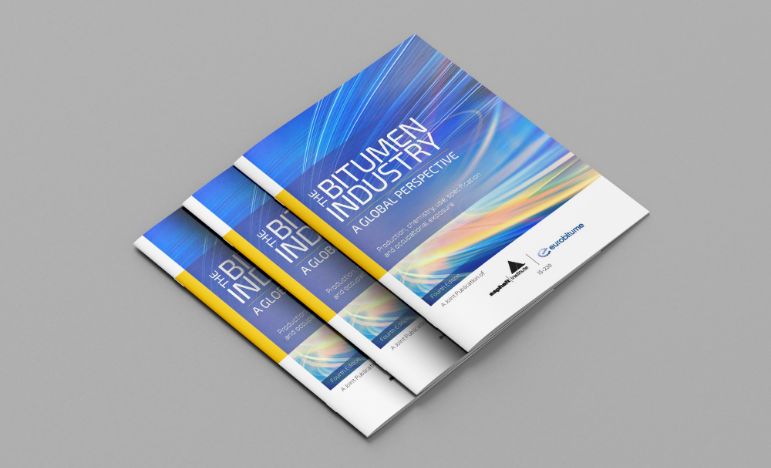
The Bitumen Industry – A Global Perspective

A comprehensive overview of bitumen production, use, occupational exposure, and sustainability prepared jointly by the Asphalt Institute and Eurobitume.

Emissions

Asphalt Institute is committed to minimizing occupational exposure to emissions from hot asphalt. While emissions at ambient temperatures are negligible, asphalt must often be handled and applied at elevated temperatures. Under these conditions, emissions can occur — and our research and guidance help ensure that worker exposure is controlled and that safety remains paramount.

Hydrogen Sulfide (H₂S)

H₂S is a flammable, colorless gas commonly present in the vapor space of tanks, trucks, railcars, and barges containing liquid asphalt. Even at low concentrations, H₂S can cause eye, nose, or throat irritation, and higher levels can be dangerous. Asphalt Institute provides guidance on monitoring, detection, and safe handling practices to protect workers from exposure.
Safe Handling

Proper handling of liquid asphalt by terminal workers and tanker-truck drivers is critical to maintaining safety. Because asphalt is stored and transported at high temperatures, adherence to safety procedures is essential to prevent burns, spills, and other incidents. Asphalt Institute promotes best practices throughout the asphalt life cycle — from refining and transport to installation, recycling, and disposal — helping ensure safety and reliability at every stage.

Leaching

Asphalt is a stable, water-insoluble material that plays an important role in environmental protection. Bituminous materials are used to line drinking water reservoirs, retention ponds, and hazardous waste sites to prevent contamination and protect groundwater. Research has shown that pollutants in runoff from asphalt pavements originate from vehicle use rather than from the asphalt itself.

Research

Asphalt Institute conducts and supports research to better understand the environmental behavior of asphalt materials and improve worker safety. These studies help inform industry standards and strengthen confidence in asphalt as a sustainable, safe material.

Contact Us